
Rego Park Hit by Car Attorney
Walking through Rego Park can put you only a few inches from turning cars, busy intersections, and drivers watching for traffic instead of the person crossing in front of them, which is why speaking with a Rego Park hit by car attorney can matter after a pedestrian crash. The Boyko Law Firm helps injured pedestrians get connected with appropriate medical care while our team handles the legal work that follows.
A Rego Park Hit by Car Attorney With Experience That Adds Up
You Thought the Driver Had Stopped for You
The Car Was Already Waiting at the Crosswalk
You’re walking along 63rd Drive near P.S. 139 when you reach a quieter neighborhood crosswalk. A car rolls up to the stop sign as you approach the curb and it comes to a complete stop.
You look toward the driver and for a second, it feels like one of those ordinary exchanges that happens every day in New York. You see the vehicle stop, assume the driver sees you too, and begin walking across.
You make it several steps into the crosswalk and out of the corner of your eye, see the car coming straight at you.
There is barely enough time to turn toward the car before it reaches you. The front of the vehicle catches your body and throws you onto the hood with your shoulder and right side slamming on the car. A second later, you slide off and land hard on the pavement.
For a moment, you don’t really understand where you are.
Someone is telling you not to move while they call 911. The driver has gotten out of the car saying you came out of nowhere.
You may never know whether the driver looked at a phone, checked a mirror, turned toward someone inside the car, or simply stopped paying attention.
What you do know is that the vehicle was stopped when you began crossing.
Your Body Absorbed Both Impacts
A pedestrian doesn’t have a seat belt, airbag, or vehicle frame between their body and the collision. Being struck can mean taking the initial impact from the car and then another when you land on the hood, windshield, or pavement.
The Pain Becomes Clear at the Hospital
By the time the ambulance reaches the emergency room, the shock has started wearing off.
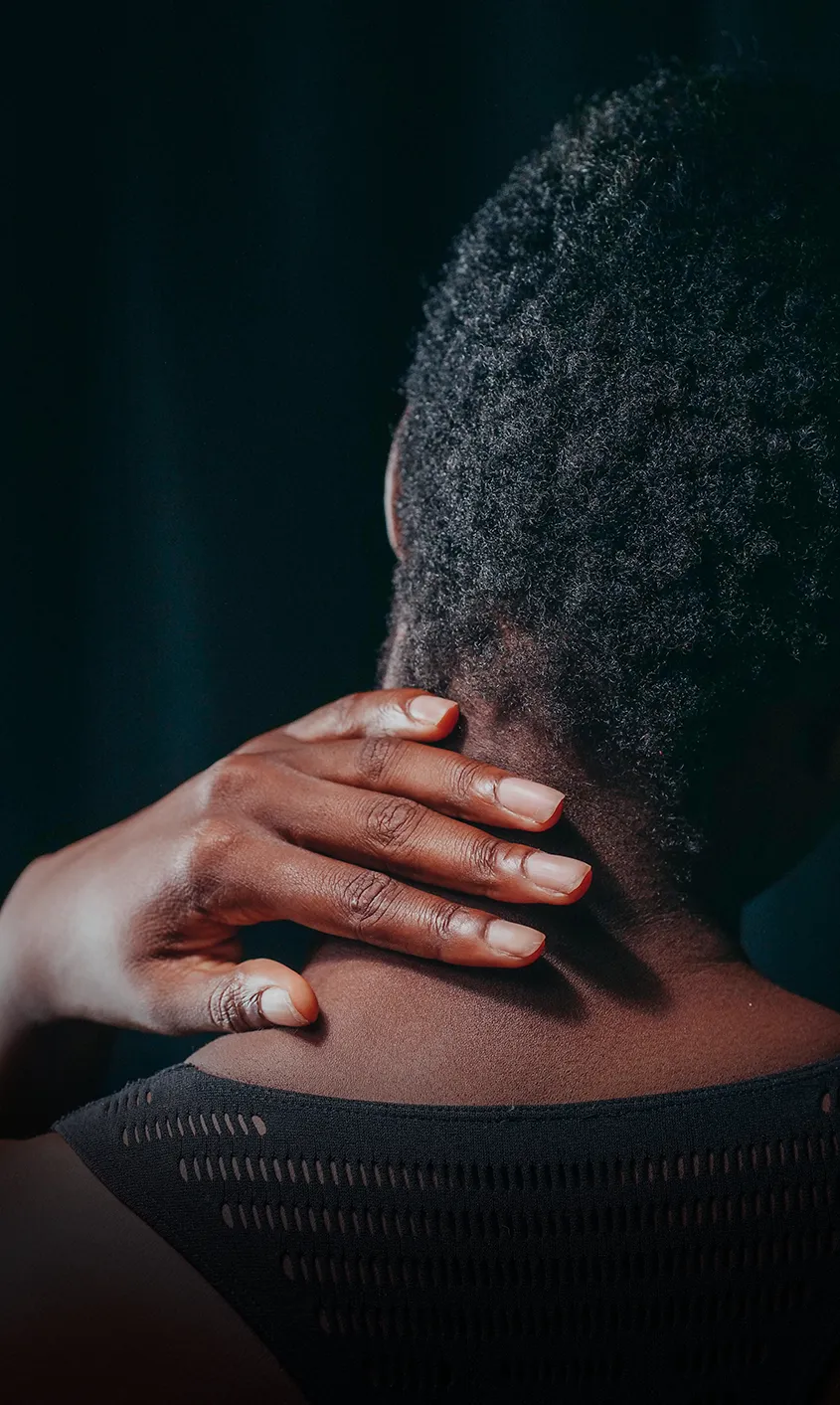
Your shoulder is becoming the biggest problem. You can move your arm, but only so far before the pain stops you while reaching overhead feels impossible. Even lifting your hand toward your chest pulls through the shoulder and upper back.
You also feel disoriented enough that the hospital checks you for a head injury while examining the rest of your body.
Now you’re leaving the hospital with instructions to follow up, a shoulder that barely moves, and questions that weren’t even on your mind when you stepped into the crosswalk.
Start With What Happened to You
You may still be trying to understand how the driver hit you while waiting to learn what is wrong with your shoulder. A Rego Park hit by a car attorney at the Boyko Law Firm can help you understand the insurance questions while our team helps you move forward with your recovery.
What Matters Next Depends on Where the Collision Left You

I Was Just Hit by a Car
You were just hit by a car while walking and are still trying to understand what happened, whether you’re seriously hurt, and what information should be preserved before the scene changes.
The Driver Left or I Never Got Their Information
The driver left or you never got their information after being hit, and you’re now trying to figure out whether the vehicle can still be identified or another source of insurance may be available.
I Was Walking, So I Don’t Know Whose Insurance Pays
You were injured as a pedestrian and now need medical care, but you’re unsure why auto insurance applies or which policy is supposed to cover your treatment.
They’re Saying I Stepped Out in Front of the Car
You’re being blamed for stepping into the car’s path and are trying to understand whether the driver or insurance company is accurately describing the pedestrian and right of way rules that applied where you were hit.
Walking and Everyday Tasks Are Becoming Harder
Your injuries are making walking, working, getting around, and handling ordinary daily tasks harder than they were before you were hit.
If you were just hit by a car while walking, focus on getting out of traffic, getting medical help, and preserving the key information before important details disappear.
What May Be Happening
You may still be sitting near the crosswalk trying to understand how a normal walk turned into an ambulance, a police response, and pain you weren’t expecting.
Maybe the car turned into you. Maybe it pulled forward after you thought the driver had stopped. You may remember the first impact clearly and almost nothing about what happened after you hit the pavement.
Right now, you don’t need to figure out the entire legal picture. You need to get yourself through the first few minutes safely.
What May Matter Right Now
- Getting out of active traffic if you can move safely
- Calling 911 and getting evaluated when you’re injured
- Identifying the driver, vehicle, plate, and insurance information when possible
- Preserving witnesses, photographs, and the exact location of the impact
If you were already crossing within a crosswalk where traffic signals weren’t controlling the crossing, New York law generally requires drivers to yield. The law also says pedestrians shouldn’t suddenly leave a place of safety when a vehicle is so close that yielding would be impractical.
What To Avoid
Don’t let the confusion of the scene pressure you into deciding exactly why the driver hit you.
You may not know whether the driver was distracted, looking in another direction, or simply failed to see you. Stick with what you actually remember rather than filling in the parts you didn’t see.
How The Boyko Law Firm May Help
A Rego Park hit by car attorney at the Boyko Law Firm can listen to what happened while the details are still fresh and identify what information may deserve attention next.
Our team can help with the insurance and legal side while you focus on getting evaluated and beginning your recovery.
If the driver left before you could get their information make sure you report the crash quickly and don’t assume you’re out of options because other coverage may still be available.
What May Be Happening
Sometimes there was never a normal exchange of information.
The driver may have continued down the street. You may have been taken away in an ambulance before anyone handed you an insurance card. Maybe all you remember is the color of the car, part of the plate, or the direction it went after hitting you.
That can make it feel like there is nobody left to make a claim against.
That isn’t necessarily where the story ends.
What May Matter Right Now
- Reporting the collision to police as quickly as possible
- Writing down whatever you remember about the vehicle and driver
- Saving the names of anyone who witnessed the collision
- Identifying nearby buildings, businesses, or vehicles that may have video
If the vehicle remains unidentified, MVAIC may provide a potential source of No Fault and bodily injury benefits for someone who qualifies and has no other automobile coverage available.
MVAIC currently requires a hit and run accident to be reported to police within 24 hours and generally requires a Notice of Intention within 90 days for an unidentified vehicle.
What To Avoid
Don’t assume that remembering only part of a license plate means nothing can be done.
You also shouldn’t wait several weeks before thinking about witnesses or video. The driver may be difficult to identify, and special insurance options can carry deadlines much shorter than the ordinary lawsuit deadline.
How The Boyko Law Firm May Help
The Boyko Law Firm can start with the information you actually have. Our team can help determine whether the vehicle may still be identified and whether household auto coverage or MVAIC needs to be considered.
If you need medical care after being hit by a car, don’t let confusion about auto insurance delay treatment because No Fault benefits may still apply even though you were walking.
What May Be Happening
This is one of the strangest parts of a pedestrian injury claim.
You weren’t driving. You weren’t riding in anyone’s car. You may not even own a vehicle.
Then the hospital or medical office starts asking you about auto insurance.
It can feel completely backwards, but New York No Fault protection extends to pedestrians injured by motor vehicles. Because that coverage comes through the automobile insurance system, an attorney that looks over car accidents can help explain how the striking vehicle’s No Fault and liability coverage fit into the pedestrian claim.
What May Matter Right Now
- Getting appropriate medical care based on how you actually feel
- Identifying the insurance company covering the vehicle that struck you
- Checking whether household auto coverage matters if the vehicle was uninsured or unidentified
- Beginning the appropriate No Fault claim before the filing deadline passes
DFS generally instructs an injured pedestrian to file the No Fault claim with the insurer covering the vehicle that struck them. If that vehicle is uninsured or unknown, a qualifying auto policy belonging to a household relative may come next, followed by MVAIC when no such coverage is available.
Written No Fault notice is generally required within 30 days.
What To Avoid
Don’t delay medical care because you don’t own a car or don’t understand which company should receive the bills.
And don’t assume your regular health insurance is automatically the only option simply because you were walking when the collision happened.
How The Boyko Law Firm May Help
A pedestrian hit by car lawyer in Rego Park, Queens can help identify which insurance should receive the claim and how No Fault benefits fit with the separate case against the responsible driver.
The Boyko Law Firm can also help connect you with appropriate care so you aren’t trying to solve an automobile insurance problem on your own.
If the driver or insurer is blaming you for the pedestrian crash make sure to preserve what you remember about the crossing, understand which right of way rules actually applied, and don’t accept their version of fault as the final answer.
What May Be Happening
You remember seeing the vehicle. Maybe it was stopped or maybe you were already in the crosswalk. Now the driver or insurance company is describing the collision very differently.
They may say you appeared suddenly, ignored a signal, or gave the driver no time to stop.
What May Matter Right Now
- Preserving where you entered the roadway and where the impact occurred
- Keeping photographs, video, witness information, and the police report
- Separating what you actually remember from what someone else says must have happened
- Understanding which pedestrian and driver rules applied at that location
New York generally requires drivers to yield to pedestrians crossing within a crosswalk when traffic signals aren’t controlling the crossing. A pedestrian crossing somewhere other than a marked crosswalk or an unmarked crosswalk at an intersection generally must yield to roadway traffic.
But drivers still have a separate statutory duty to exercise due care to avoid colliding with pedestrians.
There is another pedestrian specific rule around driveways. A driver entering or leaving a driveway, building entrance, alley, or private road must yield to a pedestrian approaching on the sidewalk extending across it.
What To Avoid
Don’t accept “you weren’t in the crosswalk” or “you walked into the car” as the final legal answer simply because an insurer says it confidently.
You also shouldn’t guess about any accident specifics if you don’t genuinely remember those details.
How The Boyko Law Firm May Help
Our attorney can compare what happened with the pedestrian and driver rules that applied to the particular crossing.
The Boyko Law Firm can handle that responsibility dispute instead of leaving you to argue about crosswalks and right of way with an insurance adjuster.
If being hit by a car is making walking or handling everyday tasks harder, keep documenting those changes because the real impact of the injury can extend far beyond the intersection where it happened.
What May Be Happening
The emergency room visit is over, but ordinary parts of your day don’t feel ordinary anymore.
Walking to the subway hurts. Stairs take longer. Carrying groceries pulls through your shoulder. Standing through a workday becomes exhausting. Maybe you can technically walk, but every block reminds you that your body still hasn’t recovered from being struck.
That is often when a pedestrian accident stops feeling like something that happened at one intersection and starts affecting the rest of your life.
What May Matter Right Now
- Following the treatment recommended by your medical providers
- Keeping track of work or income you lose during recovery
- Saving transportation and other expenses created by your limitations
- Documenting everyday activities that have become painful or difficult
What To Avoid
Don’t assume that being able to walk means the injury isn’t serious enough to document.
There is a major difference between being physically capable of taking a few steps and being able to and move through New York the way you did before the collision.
You also shouldn’t push yourself back into normal physical demands simply because other people are depending on you. Follow the medical guidance you’ve been given.
How The Boyko Law Firm May Help
The Boyko Law Firm can help organize the medical, financial, and practical effects of injury as they develop.
Our attorney can handle the claim while you focus on treatment and rebuilding the independence you had before you were hit.
You were just hit by a car while walking and are still trying to understand what happened, whether you’re seriously hurt, and what information should be preserved before the scene changes.
The driver left or you never got their information after being hit, and you’re now trying to figure out whether the vehicle can still be identified or another source of insurance may be available.
You were injured as a pedestrian and now need medical care, but you’re unsure why auto insurance applies or which policy is supposed to cover your treatment.
You’re being blamed for stepping into the car’s path and are trying to understand whether the driver or insurance company is accurately describing the pedestrian and right of way rules that applied where you were hit.
Your injuries are making walking, working, getting around, and handling ordinary daily tasks harder than they were before you were hit.
The First Steps After You’re Hit Can Matter Later

Get Yourself Out of Immediate Danger
Being struck by a moving vehicle will most likely cause you to slam on the pavement. Before worrying about the driver, witnesses, or insurance information, check how you feel. If you can move safely, get out of active traffic.
If you’re seriously hurt, dizzy, or unable to move normally, avoid unnecessary movement unless staying where you are creates an immediate danger. Your safety comes before collecting evidence or figuring out what happened.
Call for Police and Medical Help
If you’ve been struck by a vehicle, call 911 or ask someone nearby to call for you.
Tell the dispatcher exactly where you are and describe what you’re experiencing. Head pain, difficulty standing, extremity pain, numbness, or other symptoms are important to note, even if you’re still trying to process the collision.
Identify the Vehicle and Driver if You Can
If your condition allows it, get the driver’s name and license plate before everyone clears the scene. New York law requires a driver involved in a collision causing personal injury to stop and provide identifying and insurance information.
But this step comes after your safety. If you’re being placed into an ambulance, you shouldn’t delay medical care to photograph an insurance card. A police officer, witness, or someone else at the scene may be able to preserve information you physically can’t collect yourself.
Preserve Where and How You Were Crossing
In a pedestrian crash, the exact location of the impact can become especially important.
If you’re able, or someone can take photographs for you, preserve the scene before traffic begins moving normally again.
Ask witnesses for their contact information as well. Nearby storefronts and homes may also have captured parts of the collision that you never saw yourself.
Get Evaluated and Explain Every Impact
A pedestrian can be injured more than once in the same collision. Your body may first absorb the force of the vehicle and then strike the hood, windshield, pavement, or another object.
When you’re evaluated, tell the medical provider what you remember about how you were hit and how you landed, not only where you currently feel pain.
Pedestrians injured by motor vehicles in New York are generally protected by No Fault coverage, which can help pay qualifying medical expenses and economic losses.
Speak With a Rego Park Hit by Car Attorney
Once your immediate medical needs are addressed, you shouldn’t have to determine by yourself whether the driver yielded, what the pedestrian signal showed, or what happens if the driver is blaming you.
The Boyko Law Firm can review the accident and help you decide which insurance claims or deadlines may need attention.
For pedestrians, New York generally directs the No Fault claim to the insurer of the vehicle that struck you. Written notice is generally required within 30 days, subject to the regulatory exception for clear and reasonable justification.
A Pedestrian Injury Claim Starts From a Very Different Position

Find the Auto Insurance That Covers You While You Were Walking
You may not own a car or carry auto insurance yourself, yet New York’s automobile insurance system can still become responsible for parts of your recovery. Pedestrians injured by motor vehicles are generally protected by No Fault, and DFS directs pedestrians to file that claim with the insurer covering the vehicle that struck them.
The Boyko Law Firm can identify the correct insurer and keep the No Fault claim separate from the liability case against the person who caused the collision.
If the driver fled or the vehicle was uninsured, our attorney can also determine whether household automobile coverage or MVAIC may provide another path. MVAIC has its own eligibility requirements and particularly short deadlines in unidentified hit and run cases.
This may include:
- Opening the appropriate No Fault claim
- Identifying the liability insurer for the other vehicle
- Identifying the vehicle’s liability insurance
- Reviewing household coverage when the vehicle is uninsured or unidentified
- Determining whether an MVAIC claim should be filed
- Preparing required insurance notices and forms

Prove Where You Were Walking and How the Vehicle Reached You
A few feet can completely change the legal questions in a pedestrian collision.
Were you already inside the crosswalk? Was the vehicle turning through your path? Did it come through a driveway or parking lot entrance? What did the pedestrian signal show?
Those details matter because New York has specific rules governing pedestrians and drivers. Drivers generally must yield to pedestrians crossing within a crosswalk when traffic signals aren’t controlling the crossing, and every driver has a separate duty to exercise due care to avoid colliding with pedestrians.
The Boyko Law Firm can gather the pieces needed to establish where you were and how the vehicle entered your path before the physical scene and people’s memories begin to change.
This may include:
- Obtaining police and available crash records
- Securing storefront, residential, dashcam, or other available video
- Documenting the crosswalk, curb, pedestrian signal, and roadway layoutv
- Examining where the vehicle came from and where it stopped
- Locating witnesses who saw the collision
- Using qualified specialists when the mechanics of the impact need deeper analysis

Show What Being Hit Changed After You Left the Street
A pedestrian can absorb the force of the vehicle and then suffer another impact when their body comes in contact with other surfaces. The medical story therefore shouldn’t stop with whatever was visible during the first emergency room visit.
A pedestrian hit by a car lawyer in Rego Park, Queens can organize the medical evidence as your condition develops and document how the injuries affect the ordinary movement your life depends on. That might mean difficulty climbing stairs, carrying groceries, or getting around without help.
This may include:
- Collecting hospital records, imaging, and specialist findings
- Documenting fractures, head injuries, shoulder injuries, back injuries, and other diagnosed conditions
- Tracking lost income and work restrictions
- Showing how walking, standing, lifting, and daily movement have changed
- Documenting transportation or assistance you now need during recovery
- Preparing the claim for negotiation or litigation when necessary



A Few Details Can Help Show Whether Your Claim Deserves a Closer Look
A pedestrian claim can depend on a multitude of factors involving you and the vehicle in question. Answer the three questions below to see whether speaking with a Rego Park hit by car attorney may be a sensible next step.
Were you injured when the vehicle struck you?
This may include immediate pain, injuries from hitting the pavement, symptoms that appeared later, or the worsening of an existing condition.
YESNOWere you crossing outside of a crosswalk when you were hit?
Think about where you entered the roadway, whether you were already crossing, and where the vehicle made contact with you.
YESNOWhat Clients Value About Working With Our Firm
My experience with Boyko Law Firm was exceptional from beginning to end. From the first consultation, their team was attentive, professional, and committed to handling my case with care and diligence.Throughout the entire process, they maintained clear communication, took the time to address all of my concerns, and ensured I understood every step along the way. Their thoroughness, professionalism, and dedication gave me confidence during a very challenging time.What impressed me most was the level of personal attention and effort they invested in my case...

I highly recommend this attorney. She is very professional, knowledgeable. She always takes the time to answer questions, explain the process clearly. I am very thankful for her help and would confidently recommend her services to anyone in need after a pedestrian no-fault accident.
The best lawyer I know and I recommend her to everyone! A true professional in her field, very pleased with the results. ⭐️⭐️⭐️⭐️⭐️
A Few Feet Can Change the Right of Way Question
A pedestrian crash isn’t decided simply by saying that a car hit someone who was walking. Below analyzes several instances where the right away changes based on specifics of the case.
You Were Already in the Crosswalk
Being inside a marked or unmarked crosswalk can put the pedestrian in a very different position.
When traffic signals aren’t controlling the crossing, New York law generally requires a driver to yield to a pedestrian crossing within the crosswalk. NYC’s current traffic rules go further and require motorists and cyclists to stop and remain stopped for a pedestrian in the crosswalk until the pedestrian has crossed.
That doesn’t mean a pedestrian can step suddenly in front of a vehicle that has no realistic opportunity to stop. But if you were already crossing and a driver simply continued into your path, your location can become an important part of understanding responsibility.
What may matter:
Where you entered the crosswalk, how far you had already traveled, and where the vehicle was when you began crossing.
A Car Crossed the Sidewalk From a Driveway
You don’t have to be crossing an intersection for pedestrian right of way rules to matter.
New York specifically requires a driver entering or leaving a driveway, alley, building entrance, or private road to yield to a pedestrian approaching on the sidewalk that continues across it.
So if you were walking normally along the sidewalk and a vehicle pulled out of a garage, parking lot, or driveway into you, the fact that you weren’t in a traditional street crosswalk doesn’t mean you were somewhere you shouldn’t have been.
What may matter:
If the vehicle was entering or leaving the property, where you were on the sidewalk, and what the driver could see before crossing your path.
You Crossed Outside the Crosswalk
This one is especially interesting because New York City changed its jaywalking rules in 2025.
Under the current NYC rules, pedestrians may cross most roadways outside a marked or unmarked crosswalk. But there is an important tradeoff: you don’t have the right of way when crossing there and are expected to yield to traffic that does.
So crossing midblock doesn’t automatically mean, “You were jaywalking, therefore you have no claim.”
But it can change the fault analysis substantially.
The driver still has a duty to exercise due care to avoid hitting pedestrians, while the pedestrian’s decision to cross outside the crosswalk can also become part of determining responsibility.
What may matter:
How visible you were, how far away the vehicle was when you began crossing, its speed, and whether either person had a realistic opportunity to avoid the collision.
The Driver Turned While You Were Crossing
A pedestrian can have the signal and still be hit by a driver who is focused on making the turn.
NYC’s traffic rules allow vehicles facing a green signal to proceed or turn when permitted, but turning traffic must yield to pedestrians with the right of way. The rules also recognize that pedestrians can be crossing while vehicles are moving through the same intersection.
This makes the sequence especially important. A driver may be watching for an opening in opposing traffic and fail to account for the person already walking through the crosswalk.
What may matter:
The pedestrian signal, the direction the vehicle turned, when you entered the roadway, and whether the driver had already begun moving before you crossed.
Where You Were Walking Is Only Part of the Picture
It is important we view these facts as guidelines, not as absolutes or in isolation.
The Boyko Law Firm can look at the crossing, video, witnesses, and other available information together to understand how responsibility should actually be evaluated.
The Driver May Be Only One Part of the Claim
The person driving the vehicle is often the first place a pedestrian looks for answers, but responsibility can extend further. The vehicle could belong to someone else, the driver may have been working, or another business entity may have contributed to the conditions surrounding the collision. A Rego Park hit by car attorney can determine which people and organizations actually deserve investigation.
The Driver Who Struck You
The driver’s actions are usually the starting point.
They may have failed to yield while you were crossing, turned through your path, or simply failed to react while you were already visible in the roadway.
New York separately requires drivers to exercise due care to avoid colliding with pedestrians, even when another right of way rule is also part of the analysis.
The Owner of the Vehicle
The person behind the wheel may not own the car that hit you.
Under New York Vehicle and Traffic Law Section 388, a vehicle owner can generally be responsible for negligent operation by someone using the vehicle with the owner’s express or implied permission.
That makes ownership worth identifying rather than assuming the driver and vehicle belong to the same person.
The Employer or Business Behind the Driver
If the driver was making deliveries, traveling between jobs, or otherwise acting within the scope of employment, the business behind that trip may also matter.
New York’s respondeat superior doctrine can make an employer responsible for an employee’s negligent conduct committed within the scope of employment.
A City or Public Entity
A pedestrian may be struck by a sanitation truck, public bus, or another vehicle connected to a government entity.
Those cases can change more than the name of the defendant. Claims against New York City generally require a Notice of Claim within 90 days, and different public authorities can have their own procedural requirements.
That makes it important to identify public involvement early rather than treating every vehicle like an ordinary privately owned car.

A Business or Contractor That Created the Danger
Sometimes the driver and pedestrian met in the same place because something else changed the normal walking path.
Construction equipment, a blocked sidewalk, temporary barriers, or another obstruction can push pedestrians toward traffic or interfere with visibility.
New York cases show that contractors and other entities can become part of the analysis when their own work allegedly created or controlled the dangerous condition.
You May Share Some Responsibility
A pedestrian can have rights on the road and still have their own actions examined.
Under New York’s current rule for applicable motor vehicle injury cases, your share of responsibility can reduce recovery and can bar it when your culpable conduct is greater than the fault, or combined fault, of the people you pursue.
That is why one fact such as “I wasn’t in the crosswalk” shouldn’t be used by itself to decide the entire case.
Compensation Should Reflect What Being Hit Changed
Compensation is meant to account for the medical, financial, and personal losses connected to the collision, including the ways an injury can change how comfortably and independently you move through everyday life. A personal injury law firm can evaluate those losses together, including treatment, missed income, added transportation costs, and the assistance you may now need when handling everyday responsibilities becomes harder.
What Compensation May Need To Account For
Treatment needed for injuries caused by the collision
Income lost when pain or limitations keep you from working
Transportation costs when walking or commuting becomes difficult
Help with errands, household tasks, or responsibilities you handled before
Pain and physical restrictions that change how you move through daily life
Lasting effects on your mobility, independence, and normal routines

WHAT COMPENSATION MAY RECOGNIZE
Being hit as a pedestrian can change far more than your medical bills. Compensation may account for the financial and personal losses created when an injury changes how you work, walk, travel, and manage everyday life.
What Compensation Does Not Automatically Pay For
Every expense that happens to arise after the pedestrian collision
Income losses that cannot be connected to the injuries you suffered
Future costs without evidence showing why they may be necessary
Every inconvenience simply because daily life became more frustrating
The same amount another pedestrian received after a different collision
A complete financial replacement for the independence you had before
WHAT MONEY CANNOT FULLY REPLACE
Compensation can place a financial value on losses the evidence connects to the collision, but it cannot give back the time, mobility, comfort, or independence an injury may have taken from you.
Your Case Deserves an Attorney Who Understands the Full Impact


Nataliya brings more than two decades of legal experience to the cases she handles. Before becoming an attorney, she spent years helping develop personal injury matters alongside lawyers and injured clients, working through the records, evidence, filings, and preparation that allow a case to move forward with a clear foundation.
That experience is especially meaningful when someone has been hit while walking. Nataliya approaches the claim with attention to both how the collision happened and how the injuries continue to affect the person long after the scene has cleared.
Through her personal injury work as an attorney, Nataliya has contributed to cases that recovered more than $154 million for injured clients.
At the Boyko Law Firm, Nataliya remains personally involved in the matters she accepts. She follows the medical picture as it develops, reviews the evidence being collected, and helps clients connect with appropriate care.
For someone searching for a Rego Park hit by car attorney, that means the attorney who first hears what happened is also the person following your recovery and guiding the claim through resolution.
A Recovery Focused Approach After You’ve Been Hit
These four principles guide how the Boyko Law Firm accepts pedestrian cases, works with injured clients, and develops each claim around what the collision actually changed.

Direct Access to Your Attorney
You speak directly with the attorney handling your pedestrian injury claim. Questions about medical care, insurance, the driver involved, or what happens next aren’t passed through layers of staff.

Guidance Through Each Decision
Pedestrian accidents can raise questions about treatment, No Fault benefits, crosswalk rules, and insurance requests. Our attorney explains what deserves your attention and helps you understand how each decision may affect the claim.


A Strategy Built Around Where You Were Hit
Your claim is developed around where you were walking, how the vehicle approached, what the driver did, and what evidence can still be preserved. We also look at how being struck has changed your mobility, work, and everyday life.

Communication as the Claim Moves Forward
You shouldn’t have to wonder whether the driver was identified, insurance responded, or important evidence was found. Our firm keeps you informed as the investigation develops, treatment continues, and the claim moves forward.




Clear Answers for What Happens After You’re Hit
These answers cover the questions injured pedestrians in Rego Park commonly face after being struck by a vehicle and when speaking with a Rego Park hit by car attorney may help make the next step easier to understand.
Fill Out Our Form To Schedule A Consult

Can looking at my phone or wearing headphones affect my pedestrian accident claim?
Yes, it can become part of the fault analysis, but using your phone or wearing headphones doesn’t automatically mean you caused the collision or lose the right to bring a claim. The important question is whether what you were doing actually contributed to the accident.
An insurance company may argue that headphones prevented you from hearing the vehicle or that looking at your phone kept you from seeing something you should have seen. But the driver’s conduct still has to be examined too. New York law requires drivers to exercise due care to avoid hitting pedestrians.
There is even a New York pedestrian case where the defense argued that the injured pedestrian’s large headphones may have limited her ability to notice an approaching bus. The court rejected that argument as speculative under the circumstances because she was crossing with the right of way and the bus driver still had a duty to exercise due care.
That doesn’t mean headphones can never matter. If there is evidence that a pedestrian was distracted and that distraction actually contributed to the collision, it can affect how responsibility is divided.
Under New York’s current law, that division can be especially important in motor vehicle injury cases. If the pedestrian’s culpable conduct is found greater than the fault of the person being pursued, or greater than their combined fault when multiple people are pursued, recovery can be barred. Otherwise, the pedestrian’s share of fault can reduce the damages recovered.
What if I don’t remember exactly how the car hit me?
Not remembering every second of the collision doesn’t automatically prevent you from having a pedestrian injury claim. A violent impact, head injury, or loss of consciousness immediately afterward can leave gaps in what you remember. The investigation can use evidence outside your own memory to help determine what happened.
That distinction is important because there’s a difference between saying, “I’m not sure whether the car came from my left or right,” and guessing just because an insurance company keeps asking you to explain it. You shouldn’t fill in a missing part of the story.
Instead, the claim can be developed using whatever evidence actually exists, which may include:
- Video from nearby buildings, vehicles, or cameras
- Photographs of the scene and vehicle
- The location and type of damage to the vehicle
- Police and collision investigation records
- Statements made by the driver
- First responder observations
- Medical records documenting a head injury, loss of consciousness, or confusion
- Accident reconstruction when the circumstances justify it
New York law even recognizes a special evidentiary principle for someone whose accident caused medically supported amnesia. Under what is known as the Noseworthy doctrine, a person who can establish that the accident caused the loss of memory may, in appropriate circumstances, receive some latitude in proving how the accident occurred. But the doctrine doesn’t eliminate the need for evidence showing negligence.
So if you remember stepping into the crosswalk and then waking up on the pavement, that missing piece doesn’t mean the driver gets to write the rest of the story.
What if the police report says I caused the pedestrian accident?
A police report can be important evidence, but it isn’t the final decision about who caused the accident. If the officer didn’t personally witness the collision, portions of the report may simply reflect what the driver, pedestrian, or witnesses told the officer afterward.
New York courts distinguish between an officer’s own observations and information supplied by someone else. A police accident report can qualify as a business record, but statements inside it that are based on hearsay still need their own basis for admission, such as another recognized hearsay exception.
That distinction matters.
For example, a report might contain:
- The officer’s observations about vehicle damage and final position
- A driver’s statement about where the pedestrian came from
- A witness’s description of the traffic signal
- A diagram based on information collected after the collision
- A code or narrative suggesting who the officer believed contributed to the crash
Those pieces don’t necessarily carry the same evidentiary weight.
In one case, the officer’s account indicated that the pedestrian stepped into the roadway outside the crosswalk, while the pedestrian gave a materially different account. The court did not treat the report as automatically resolving the disputed version of events.
If a report appears to blame you, the next step is usually to understand where that conclusion came from and compare it with video evidence, witnesses testimonials, and photographs.
What if there were no witnesses and the driver tells a different story?
You can still have a claim even if nobody stood on the corner and watched the entire collision happen. When the pedestrian and driver give different accounts, the question becomes what the available evidence supports rather than which person told their version first.
Courts have recognized that pedestrian collisions frequently produce competing accounts about where the pedestrian was, what the signal showed, and how the vehicle approached. Those disagreements can create factual questions that cannot simply be resolved by accepting the driver’s version.
Suppose you remember already being in the street when you were struck, while the driver says you suddenly walked into the side of the car.
Even without an independent eyewitness, the investigation may still look at:
- Surveillance or dashcam footage
- The location of damage on the vehicle
- Where the vehicle stopped after impact
- Photographs of the roadway and surrounding sightlines
- The driver’s statements at the scene and later testimony
- The police and collision investigation records
- Traffic signal information when relevant
- Physical evidence from the scene
- Accident reconstruction when the mechanics of the collision are genuinely disputed
New York courts use these types of records and physical evidence when evaluating disputed accident accounts. In one pedestrian case, for example, the driver said the pedestrian struck the rear portion of his vehicle, while the pedestrian gave a completely different description.
The court noted the lack of photographs supporting the driver’s version, inconsistencies between his statements, and the broader conflict in the evidence before refusing to treat his account as an established fact.
There is an important limit, though. A lack of witnesses doesn’t mean assumptions can replace evidence. A claim still needs facts from which responsibility can reasonably be established. New York courts can reject a position when it rests only on speculation rather than evidence or qualified expert analysis.
Does it matter whether the driver received a traffic ticket?
The absence of a police report does not automatically prevent a claim, but it can make other evidence more important.
A police report can help identify the drivers, vehicles, insurers, and reported circumstances. It does not automatically determine who was responsible. The New York DMV specifically states that a crash appearing on a driving record does not indicate fault and that the DMV does not decide fault.
If you don’t have a police report, your claim may still be supported by:
- MV-104 Report
- Photographs and videos
- Vehicle damage
- Witness statements
- Surveillance or dashcam footage
- Medical records
- Insurance communications
- Repair and towing records
- Testimony from the people involved
If the police department does not show up to your accident scene,you may also have a separate duty to file an MV-104 with the DMV.
That report is generally required within 10 days when the crash caused:
- A personal injury
- A death
- More than $1,000 in damage to any one person’s property
The MV-104 can also help obtain insurance information when no police report exists.
If you are having trouble filing an MV-104 report, please feel free to reach out to our Rego Park car accident lawyers for assistance.
Does New York’s serious injury threshold apply when a pedestrian is hit by a car?
Usually, yes. A pedestrian struck by a covered motor vehicle is a “covered person” under New York’s No Fault law, and the serious injury threshold generally applies when seeking compensation for pain and suffering from another covered person.
That doesn’t mean you need a broken bone to have a serious injury.
Under the current version of Insurance Law Section 5102, a serious injury includes:
- Death
- Dismemberment
- Significant disfigurement
- A fracture
- Loss of a fetus
- Permanent loss of use of a body organ, member, function, or system
- Permanent consequential limitation of use of a body organ or member
- Significant limitation of use of a body function or system
That list changed in 2026. The former category based on being substantially unable to perform usual activities for at least 90 of the first 180 days after the accident was removed from the current statutory definition.
This threshold mainly matters when pursuing noneconomic losses such as pain and suffering. No Fault benefits for qualifying medical expenses and lost earnings operate separately, and economic losses beyond basic No Fault can also present separate issues.
So a pedestrian shouldn’t try to decide whether an injury is legally “serious” simply from the name of the diagnosis. The medical evidence, objective limitations, prognosis, and effect of the injury all matter.
What happens if my medical bills and lost income exceed the $50,000 available through basic No Fault?
Reaching the $50,000 basic No Fault limit doesn’t necessarily mean there is nowhere else to turn. The next source of payment depends on the insurance that exists, the losses you have, and whether there is a separate claim against the person responsible for hitting you.
New York’s basic No Fault coverage provides up to $50,000 per eligible person for combined basic economic loss. It can include qualifying medical expenses, 80 percent of lost earnings up to $2,000 per month for no more than three years, and certain other necessary expenses.
When those benefits are exhausted, several possibilities may need to be checked.
Additional PIP or OBEL: Some auto policies carry optional coverage above the basic $50,000. OBEL can add another $25,000 for specified losses, while Additional PIP can provide broader additional coverage depending on the policy purchased.
Health insurance: DFS explains that health coverage may become relevant after applicable No Fault benefits have been exhausted when additional No Fault coverage isn’t available.
The liability claim: New York permits a claim against a responsible third party for economic losses that fall outside or exceed basic No Fault. Pain and suffering is treated differently and generally requires a serious injury when the Article 51 threshold applies.
So $50,000 is an insurance limit for basic No Fault. It isn’t automatically a limit on everything the pedestrian accident may have cost you.
Can my own or a family member’s auto insurance help even though I was walking?
Sometimes, yes. An auto policy in your household can become surprisingly important even though you were nowhere near your own car when you were hit. This comes up most often when the vehicle that struck you was uninsured, disappeared, or didn’t carry enough liability coverage.
If an insured vehicle strikes a pedestrian in New York, the pedestrian generally files the basic No Fault claim with that vehicle’s insurer. DFS explains that when the vehicle is uninsured or the driver can’t be identified, coverage under an auto policy belonging to you or a relative in your household may become relevant.
Household coverage may matter in several different ways depending on the policy:
- No Fault benefits in certain uninsured vehicle situations
- Mandatory uninsured motorist protection for an uninsured or hit and run vehicle
- Supplementary uninsured or underinsured motorist coverage if it was purchased and its requirements are met
- Optional additional No Fault benefits under some policies
If there is no applicable household auto policy and an uninsured or unidentified vehicle caused the collision, MVAIC may need to be considered. DFS warns that these situations have strict reporting and filing requirements
If the driver who hit you was identified and insured but their liability coverage isn’t enough for the injuries they caused, an underinsured motorist attorney can determine if applicable SUM coverage may provide another source of recovery.
What if I was hit by an e bike, scooter, or motorcycle instead of a car?
The type of vehicle matters because these devices don’t all fit into the same New York insurance system. A pedestrian hit by a motorcycle can have a No Fault path, while a qualifying e bike or electric scooter is treated differently under current New York law.
A pedestrian struck by an insured motorcycle should generally submit the No Fault claim to the motorcycle’s insurer. That can seem unusual because the person riding the motorcycle is generally excluded from No Fault, but DFS specifically recognizes No Fault protection for the pedestrian who was struck.
E bikes and electric scooters require a different analysis. New York Vehicle and Traffic Law Section 125 expressly excludes qualifying bicycles with electric assist and electric scooters from its general definition of a motor vehicle. That means the ordinary automobile No Fault framework shouldn’t simply be assumed to apply in the same way. If the device that struck you was a bicycle or qualifying e bike, a cyclist accident attorney can examine the rider’s roadway duties and the insurance options that may exist outside the ordinary automobile framework.
The actual device still needs to be identified. What someone casually calls an “e bike” may have been modified or may legally fall into another vehicle classification.
So after one of these accidents, the make, model, speed capability, ownership, and use of the device can matter almost as much as what everyone called it at the scene.
What if I was working when the vehicle hit me?
Parking lot fault usually depends on which vehicles were moving, who had established the clearer path of travel, and whether each driver acted carefully before backing, turning, or entering an aisle.
New York law states that a driver should not back a vehicle unless the movement can be completed safely and without interfering with other traffic. A driver entering a roadway from a parking area must also yield to vehicles approaching on that roadway.
A backing driver is not automatically 100 percent responsible in every parking lot crash. The other driver’s speed, attention, position, and opportunity to avoid the collision may also matter.
Important questions may include:
- Was one vehicle backing out of a parking space?
- Was the other vehicle already moving through the aisle?
- Were both vehicles backing at the same time?
- Did either driver ignore a stop sign or directional arrow?
- Were parked vehicles blocking visibility?
- Was a driver speeding through the lot?
- Did the collision happen while entering or leaving the property?
At busy locations such as Rego Center, surveillance footage and photographs showing the aisle layout may be more useful than either driver’s memory alone.
How long do I have to file a pedestrian accident lawsuit in New York?
For an ordinary personal injury claim against a private driver, New York generally provides three years to commence the lawsuit. But three years is not a safe universal deadline for every pedestrian accident. Some of the shortest deadlines arise when a City or public transit entity may be responsible.
For example, a qualifying personal injury claim against New York City generally requires a Notice of Claim within 90 days. The NYC Comptroller also explains that the lawsuit generally must be commenced within one year and 90 days of the incident.
That distinction can matter if you were struck by a City vehicle or another part of the accident potentially involves municipal responsibility.
Public transportation defendants can have their own statutes and procedures as well. The correct entity also matters because a claim involving the Transit Authority, MTA, City, or another public body shouldn’t simply be sent to whichever agency seems most familiar.
There can also be exceptions and tolling rules in particular cases, so the deadline should be identified from the actual facts rather than assumed from a general website answer.
Should I speak with the driver’s insurance company or give them a recorded statement?
You generally shouldn’t give the other driver’s insurance company a recorded statement on your own. Their adjuster is investigating the claim for the insurer that may ultimately have to pay it. Before answering any detailed questions, speak with an attorney who can determine what information actually needs to be provided.
The adjuster may sound helpful and the questions may seem routine. But a recorded conversation can quickly get into details you’re still trying to understand, especially after a pedestrian collision where you may have been injured, disoriented, or unsure of exactly what happened.
You don’t need to guess about:
- How fast the vehicle was moving
- Exactly how far away it was when you began crossing
- How many seconds you were in the roadway
- Whether you could have avoided the collision
- How serious an injury will ultimately become
- Details you simply don’t remember clearly
If the other driver’s liability insurer contacts you, the safer approach is to take down the adjuster’s name, company, claim number, and contact information, then speak with a pedestrian accident attorney before discussing the accident in detail.
If you’ve been hit by a car and an insurer wants to question you about what happened, contact an attorney before giving a recorded statement. The Boyko Law Firm can determine who the insurer represents, what information you’re actually required to provide, and which conversations should be handled through the firm.
What if I was hit in a parking lot or on other private property instead of a public street?
You can still have a pedestrian injury claim. Being in a parking lot doesn’t eliminate the driver’s responsibility, and in some cases the property itself may add another issue to investigate. But the property owner isn’t automatically responsible just because the accident happened on private land.
A driver can still be negligent while backing through a parking aisle, turning through a pedestrian route, or moving through an area where people are expected to walk.
Separately, New York property owners generally have a duty to maintain their premises in a reasonably safe condition under the circumstances. Premises liability can become relevant when a dangerous condition connected to the property actually contributed to the collision.
There still has to be a legal and factual connection between that condition and the accident. New York courts look at issues such as whether the responsible party created the dangerous condition or had the required notice of it.
Can a preexisting injury or medical condition affect my pedestrian accident claim?
Yes, but having a prior injury doesn’t automatically prevent you from recovering for what the pedestrian accident actually made worse. New York recognizes claims for the aggravation of a preexisting condition when that aggravation was caused by the accident and is properly supported.
The distinction is important.
You generally aren’t seeking compensation for a condition that existed before you were hit and remained unchanged. The issue is whether the collision caused a new injury or increased the pain, disability, or limitations associated with something that was already there.
New York courts recognize that an injured person may recover for increased disability or pain caused by the aggravation of a preexisting condition. They also require that an aggravation theory be properly alleged and proven.
This is one reason prior medical records can become important. If you had an old back problem but were functioning normally before the collision and began experiencing materially different symptoms afterward, the medical history can help show that change. If the records show the same complaints and limitations immediately before the accident, the insurer may rely on them in the opposite direction.
Some people and law firms try to hide an old injury, but we found the better approach is to distinguish clearly between what existed before you were hit and what changed afterward.
Is there an average settlement for a pedestrian hit by a car in New York?
There isn’t a meaningful “average pedestrian settlement” that can tell you what your individual claim is worth. Two people can both be hit while crossing the street and have claims that look completely different once the injuries, fault, insurance, and long term effects are examined.
For example, value can change based on:
- The injuries and whether they meet New York’s serious injury threshold
- Whether surgery, future treatment, or permanent limitations are involved
- Lost income and future earning effects
- How responsibility is divided under New York’s current fault rules
- The amount of available liability, uninsured, or underinsured coverage
- Whether another responsible person or organization is involved
Even the available insurance can create enormous differences. New York’s minimum bodily injury liability coverage for a nonfatal injury remains $25,000 per person, while some vehicles carry substantially greater limits and an injured person may have access to additional uninsured or underinsured coverage.
That is why a settlement number from another pedestrian case usually tells you very little without knowing what sits behind it.
A Rego Park hit by car attorney can evaluate the medical evidence, responsibility, financial losses, available insurance, and future effects of the injuries together before discussing what a particular pedestrian claim may realistically be worth.
Your case should be valued from your facts, not someone else’s settlement.
Tell Us What Happened When You Were Hit
Tell the Boyko Law Firm what happened, where you were walking, and what you’re dealing with now. Our attorney can help you understand what deserves attention next.