
Bus Accident Lawyer in Rego Park
You can be sitting on a bus one moment and thrown forward out of your seat, never expecting that you may soon need a bus accident lawyer in Rego Park. As a passenger, you may have no idea what caused it or who should be held responsible. The Boyko Law Firm helps injured bus passengers get connected with appropriate medical care while we investigate what happened and pursue the compensation their injuries may justify.
A Bus Accident Lawyer in Rego Park Backed by More Than Promises
The Bus Ride Ended Before You Reached Your Stop
You Were Just Going to Pick Up Your Child
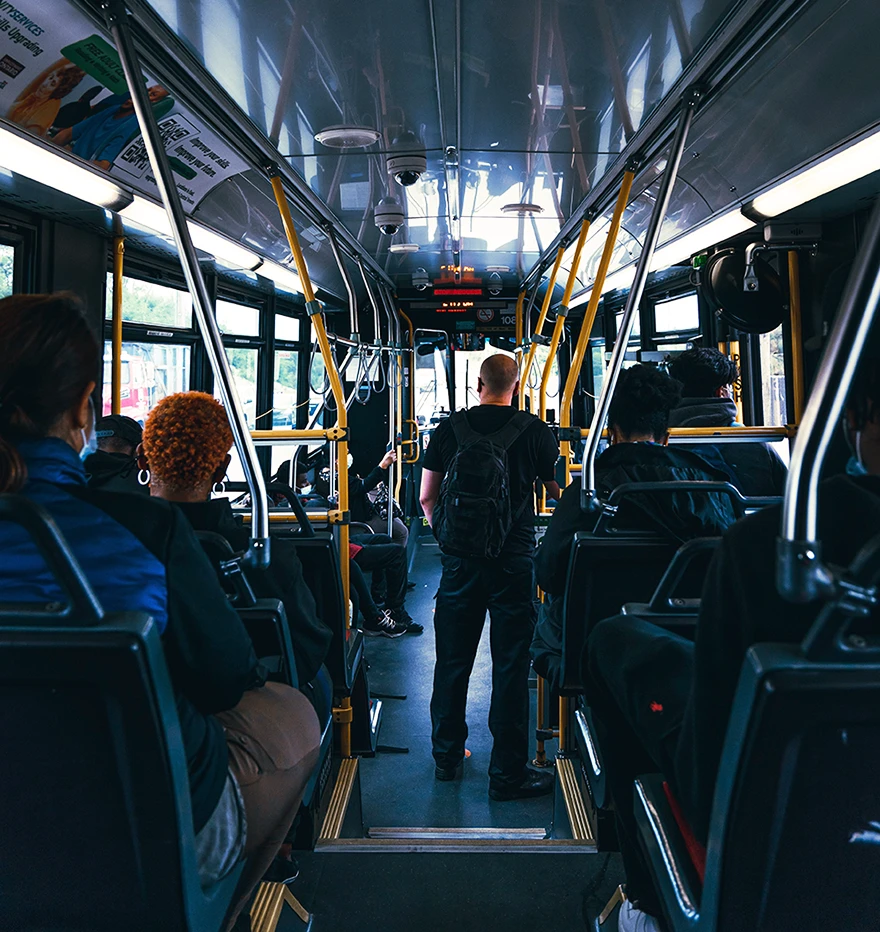
You found a seat on the bus and settled in for what should have been an ordinary ride through Rego Park. You were on your way to pick up your child, probably checking the time and thinking about how many stops you still had left.
Then the bus suddenly jolted.
You didn’t have enough warning to brace yourself. Your body came out of the seat and you went forward, landing hard on your hands and knees. A few other passengers were thrown from their seats around you.
For a moment, nobody really seemed to know what had happened.
Maybe the bus stopped suddenly. Maybe another vehicle was involved. From where you were sitting, you couldn’t see what caused it. All you knew was that your left knee immediately felt different.
The pain was sharp. When you tried to stand, putting weight on that leg was much harder than it should have been.
And almost immediately, another thought hits you.
I’m supposed to be picking up my child.
You Don’t Need to Know What Caused the Jolt Yet
As a passenger, you may have had no view of what happened in front of the bus. Luckily, you don’t need to guess what happened. What matters most is what happened to you and making sure the incident and your injuries are documented.

Your Next Stop Became the Hospital
The bus remains stopped as passengers begin checking on one another. Because you’re having trouble walking and the pain in your knee isn’t letting up, 911 is called and EMS arrives to evaluate you.
Instead of continuing to pick up your child, you’re taken to the hospital.
Doctors examine your knee and order X-rays. Nothing appears to be broken, which is a relief, but walking still hurts and bending the knee is difficult.
You’re discharged with medication to help with the pain and inflammation and instructions to follow up if the symptoms continue.
Start With What Happened Inside the Bus
You don’t need to know why the bus jolted or who was responsible before asking for help. A bus accident lawyer in Rego Park at the Boyko Law Firm can investigate what caused the incident, help connect you with appropriate follow up care, and explain what needs to happen next.
Your Next Step Depends on What You Are Dealing With

The Bus Incident Just Happened
The bus incident just happened, and you’re still trying to determine whether you’re hurt, what details should be preserved, and what matters if you didn’t see exactly what caused it.
I Left Without Getting the Bus Information
You left the bus before collecting its identifying information and are now trying to figure out whether the vehicle can still be traced from the route, time, location, and other details you remember.
My Pain Started or Became Worse Later
Your pain didn’t fully appear until after the bus incident, and you’re now trying to understand what the changing symptoms mean and how to document them properly.
I Need Medical Care but Don’t Know Who Pays
You need follow up medical care after the bus incident but aren’t sure which company, authority, or insurance process is supposed to handle the bills.
The Bus Operator or an Insurance Company Is Contacting Me
You’re being contacted by the bus operator, an insurance company, or both, and you’re trying to understand who they represent, what they want, and which requests or deadlines actually need your attention.
If your car accident just happened, focus on getting somewhere safe, documenting the scene, and paying attention to how you feel before speaking with an insurance company.
What May Be Happening
Someone just hit you, and your mind may still be trying to catch up with it. As you stand beside a damaged car on Queens Boulevard waiting for the police to arrive at the scene. While getting ready to leave you replay the collision in your head making sure you collected all the evidence for your insurance.
Even though you can stand, walk, and speak normally, it can be difficult to know what the accident actually did to you in those first few minutes.
What May Matter Right Now
- Moving somewhere safer, especially if traffic is still passing around you
- Calling 911 when someone is injured or the scene remains dangerous
- Exchanging license, registration, and insurance information
- Photographing the vehicles, damage, intersection, traffic signals, and road conditions
- Collecting names and contact information from witnesses
- Writing down the exact location, time, and direction each vehicle was traveling
- Paying attention to pain, stiffness, headaches, dizziness, or other changes in how you feel
What To Avoid
Don't let the confusion of the moment pressure you into guessing about speed, responsibility, or details you did not clearly see. Avoid minimizing how you feel by repeatedly telling everyone that you are fine simply because the pain has not fully appeared yet.
You should also be careful about giving a recorded statement, signing documents, or accepting a quick settlement before you understand your injuries and your medical needs before agreeing to anything the insurance company is asking you.
How The Boyko Law Firm May Help
As an auto accident attorney in Rego Park, our managing attorney can listen to what happened while the details are still fresh, identify evidence that may need to be preserved, and explain the next steps involving medical care, accident reporting, and insurance.
The Boyko Law Firm can help connect you with the care you need while you focus on starting your recovery. New York generally requires written notice of a No Fault claim within 30 days of the accident, which makes early guidance especially valuable.
If pain or stiffness develops after you leave the accident scene, get evaluated based on how you feel now, document when the symptoms began, and don’t assume delayed pain means the crash didn’t cause the injury.
What May Be Happening
You felt well enough to leave the accident scene after assuring everyone you were perfectly okay. Hours later, stiffness begins to settle in. Your neck becomes harder to turn, your back tightens when you stand, or you feel a sharp pinching deep inside your shoulder.
You may have never experienced pain like this before. Even if you had some preexisting discomfort, it may suddenly feel much worse. That is usually when the questions begin. Did this pain really come from the crash? If it did, will anyone believe you after you seemed fine and left the scene on your own?
Pain from whiplash, which can result from the sudden back and forth movement of your body during a collision, may take hours or longer to appear. Some concussion symptoms can also emerge hours or even days after the accident.
What May Matter Right Now
- Getting evaluated based on how you feel now
- Explaining that your symptoms began after the accident
- Writing down when each symptom appeared and how it has changed
- Documenting activities that have become painful or difficult
- Keeping medical records, prescriptions, receipts, and work notes
- Reporting the injury to the appropriate No Fault insurer
- Following the treatment plan recommended by your medical provider
What To Avoid
Don't assume that delayed pain means the injury is insignificant or unrelated to the collision. Avoid telling an insurance adjuster that you are fine simply because you felt okay at the scene.
You should also avoid guessing about your condition or waiting for the pain to become unbearable before considering medical care. What matters is clearly documenting when the symptoms appeared, how they are affecting you, and what medical professionals find.
How The Boyko Law Firm May Help
As a Rego Park crash injury attorney, the managing attorney can listen to how your symptoms developed, help connect you with medical care, and begin documenting the relationship between the accident and the pain that followed.
The Boyko Law Firm can also help notify the appropriate insurance company and identify information that should be preserved while you focus on getting evaluated and beginning your path to recovery.
If pain or swelling develops after you leave the bus incident, get evaluated based on how you feel now, document when the symptoms appeared, and keep track of how the injury is affecting your daily activities.
What May Be Happening
You may have felt shaken after the incident but believed you were well enough to leave.
Hours later, your body starts telling a different story.
Your neck may become harder to turn. Your back tightens. A shoulder begins hurting when you lift your arm. A knee or ankle that seemed manageable at first becomes swollen or painful when you put weight on it.
Now you’re wondering whether anyone will believe the injury came from the bus because you didn’t immediately realize how badly you were hurt.
What May Matter Right Now
Focus on accurately documenting what you’re experiencing now:
- Consider getting medically evaluated based on your current symptoms
- Explain that the symptoms followed an incident while you were riding a bus
- Describe how your body moved or what you struck
- Tell the provider when each symptom became noticeable
- Record how the symptoms change over the following days
- Keep prescriptions, referrals, medical records, and work notes
- Write down activities that have become painful or difficult
- Preserve whatever information you have about the bus trip
What To Avoid
Don’t treat what you felt during the first few minutes as a final diagnosis.
You also shouldn’t exaggerate your symptoms or minimize them because you initially thought you were okay.
What matters is creating an accurate timeline of what happened and what appropriate medical professionals find.
How The Boyko Law Firm May Help
The Boyko Law Firm can review how you were injured and how your symptoms developed afterward.
Our managing attorney can also help connect you with appropriate medical care while beginning to document the relationship between the bus incident and the injuries that followed.
If you need follow up care after a bus injury, don’t let uncertainty about the operator or insurance process delay treatment. Keep your trip and medical records together while the correct source of benefits and responsible parties are identified.
What May Be Happening
You know you need follow up care, but the insurance side feels unclear.
You weren’t driving your own vehicle. The bus wasn’t yours. Another car may or may not have been involved.
You may not even know which public authority or private company operated the bus.
That uncertainty can make getting treatment feel more complicated than it should.
What May Matter Right Now
The medical benefit process can depend on which bus you were riding and how the incident occurred.
New York does have a No Fault rule for bus passengers that can require looking to the injured passenger’s own or household automobile coverage before the bus insurer.
Before speaking with someone, it helps to keep:
- The bus route and available vehicle information
- Ambulance and emergency room records
- Medical bills
- Prescriptions and referrals
- Records from follow up appointments
- Documentation of missed work
- Any correspondence you receive concerning the incident
The party responsible for handling medical benefits also isn’t necessarily the same party that may ultimately be responsible for causing the injury.
What To Avoid
Don’t delay appropriate medical care simply because you haven’t figured out the insurance structure yet.
You also shouldn’t assume that every bus operating in New York City is handled through exactly the same claims process.
How The Boyko Law Firm May Help
A bus accident lawyer in Rego Park can determine who operated the bus and help identify how the medical and insurance portions of the claim should be handled.
The Boyko Law Firm can also help connect you with appropriate care while taking on the insurance questions that are making the process confusing.
If the bus operator, an insurer, or another company starts contacting you after the incident make sure to keep track of who they represent and what they’re requesting.
What May Be Happening
After the incident is reported, you may begin receiving communications requesting information.
One communication may come from the transit operator. Another may involve an insurer. If another vehicle was involved, you could eventually hear from that driver’s insurance company as well.
They may all be asking about the same incident for completely different reasons.
What May Matter Right Now
Before responding to every request, keep track of:
- Who contacted you
- Which organization they represent
- Their phone number and email address
- Any claim or incident number provided
- What information they’re requesting
- Whether they want a written or recorded statement
- Any medical authorizations they send
- Forms they want completed
- Deadlines included in letters or notices
- Copies of everything you submit
Keeping the communications together can make it easier to understand which part of the claim each person is handling.
What To Avoid
Don’t assume that everyone contacting you represents your interests.
You also don’t need to guess about what the bus driver did or what caused the incident if you didn’t actually see it.
And because some claims involving public transportation can have requirements that arise much earlier than the ordinary personal injury filing deadline, paperwork involving the bus operator shouldn’t simply be set aside for later.
How The Boyko Law Firm May Help
A Rego Park bus injury attorney can identify who is contacting you, determine what part of the claim they’re handling, and respond to the appropriate parties on your behalf.
Boyko Law Firm can also determine whether special notice or filing requirements apply to the particular bus involved.
The bus incident just happened, and you’re still trying to determine whether you’re hurt, what details should be preserved, and what matters if you didn’t see exactly what caused it.
You left the bus before collecting its identifying information and are now trying to figure out whether the vehicle can still be traced from the route, time, location, and other details you remember.
Your pain didn’t fully appear until after the bus incident, and you’re now trying to understand what the changing symptoms mean and how to document them properly.
You need follow up medical care after the bus incident but aren’t sure which company, authority, or insurance process is supposed to handle the bills.
You’re being contacted by the bus operator, an insurance company, or both, and you’re trying to understand who they represent, what they want, and which requests or deadlines actually need your attention.
What You Do Before the Bus Leaves Can Matter Later

Check Yourself Before Trying to Move
A sudden stop, turn, or collision can throw you from a seat or cause you to lose your balance while standing. Before immediately getting up, pay attention to how you feel and whether you can safely put weight on your legs. If you’re seriously hurt, ask someone nearby for help rather than forcing yourself to move.
Report the Injury and Get Medical Help
Make sure the bus operator knows that you were injured. If you need emergency medical attention, call 911 or ask someone to call for you. NYC advises calling 911 when someone is injured in a vehicle accident.
Tell emergency responders what happened to your body, not just that you were riding the bus. Explain whether you fell, were thrown forward, or developed other symptoms.
Identify the Bus Before the Trip Ends
Unlike an Uber ride, you may not have an app automatically preserving the exact vehicle that carried you. Record enough information to identify the bus later.
Try to save the bus route, bus number, and direction of travel.
These details are particularly useful in New York City bus claims. The MTA’s own claim materials ask injured passengers to identify the bus line, vehicle number, direction of travel,and how the accident happened.
Preserve What Happened Inside the Bus
As a passenger, the most important evidence may be inside the vehicle rather than outside it.
If you can safely do so, photograph where you were sitting or standing and anything your body struck.
Write down what happened immediately before you were injured. If other passengers saw you fall or were thrown themselves, ask for their contact information before everyone goes separate ways.
You don’t need to determine why the bus moved the way it did.
Get Evaluated and Explain How You Were Injured
Seek medical care appropriate for the symptoms you’re experiencing. When speaking with the provider, explain how your body moved during the bus incident.
That gives the medical provider a clearer picture of both your symptoms and the event that caused them.
Speak With a Bus Accident Lawyer in Rego Park
Once your immediate medical needs are addressed, speak with a bus accident lawyer in Rego Park who can determine what should happen next.
The first question may be identifying exactly who operated the bus. From there, the Boyko Law Firm can determine what records should be preserved, which claims may need to be opened, and whether special notice requirements apply.
That can be particularly important with public transportation because the procedures and deadlines can depend on the specific transit entity involved.
Your Attorney Takes the Lead on Your Claim

Identify the Operator and Protect Your Claim
A passenger may know the route they were riding without knowing which legal entity actually operated the bus or which claim procedures apply. The Boyko Law Firm can sort through those questions before an incorrect filing or missed deadline creates a problem.
This may include:
- Identifying the entity that operated the bus
- Determining whether the bus was publicly or privately operated
- Opening the appropriate No Fault or insurance claims
- Identifying any other vehicles and insurers involved
- Preparing required notices and claim documents
- Tracking deadlines that may apply to a public transportation claim

Develop the Evidence Behind the Bus Incident
As a passenger, you may have seen very little of what caused the bus to stop, turn, or collide. A Rego Park bus injury attorney can investigate beyond what you could see from your seat and work to preserve records that may explain what happened.
The Boyko Law Firm can build the claim using evidence from the bus itself, other passengers, and outside sources when available.
This may include:
- Requesting available bus surveillance footage
- Obtaining operator and incident records
- Reviewing route, vehicle, and trip information
- Locating and speaking with witnesses
- Locating passengers or other witnesses
- Investigating another vehicle when one contributed to the incident

Value the Injury and Pursue a Resolution
Once the cause of the incident and the medical evidence are developed, the next step is determining what the injury has actually taken from you and which parties should be asked to compensate you for those losses.
The Boyko Law Firm can evaluate the medical and financial evidence, present the claim to the appropriate parties, and negotiate toward a resolution. If the claim can’t be resolved reasonably, our managing attorney can move the case into litigation.
This may include:
- Evaluating current and future medical losses
- Documenting lost income and physical limitations
- Addressing New York’s serious injury requirement when it applies
- Determining which responsible parties should be pursued
- Preparing and presenting a settlement demand
- Filing a lawsuit and preparing the case for trial when necessary



Your Bus Injury May Be Worth a Closer Look
A potential bus injury claim can depend on more than whether the bus actually collided with another vehicle. Answer the three questions below to see whether speaking with a bus accident lawyer in Rego Park could be a sensible next step.
Were you injured while riding the bus?
This may include physical injuries and pain, emotional harm, or the aggravation of an existing condition.
YESNODo you know exactly who operated the bus?
Consider whether another driver, property owner, business, employer, or other party may have contributed.
YESNOWhat Support Can Look Like After a Bus Injury
I got rear ended when I was working for Uber. I came to Nataliya Boyko for help and she helped me. Explained everything. Step by step. I recommend 150%

I highly recommend this attorney. She is very professional, knowledgeable. She always takes the time to answer questions, explain the process clearly. I am very thankful for her help and would confidently recommend her services to anyone in need after a pedestrian no-fault accident.
The best lawyer I know and I recommend her to everyone! A true professional in her field, very pleased with the results. ⭐️⭐️⭐️⭐️⭐️
Each Piece Helps Explain a Different Part of Your Bus Injury
As a passenger, you may know exactly how you were hurt without knowing what caused the bus to move the way it did. Transit records, video, and medical evidence can help fill in those missing pieces and show how the incident affected you afterward. A bus accident lawyer in Rego Park can use that information to build a clearer picture of what happened and why it matters to your claim.
Bus Records Help Establish the Trip and Incident
As a passenger, you may know what happened to your body without knowing exactly what caused the bus to stop, turn, or collide.
Route information and other transit records can help establish which bus you were riding and what was reported about the incident.
These records don’t necessarily determine who was responsible. They create a starting point that can be compared with the rest of the evidence.
This can help establish:
- Which bus and route were involved
- Where and when the incident occurred
- Who operated the vehicle
- What was documented shortly afterward
Video and Witnesses Can Explain What You Couldn’t See
A passenger sitting several rows behind the driver may never see what happened in front of the bus.
Available onboard video, outside surveillance, and statements from other passengers can provide a much wider view. They may show how suddenly the bus moved and what happened inside the passenger area.
This can help establish:
- What happened immediately before you were injured
- How the bus moved
- Whether passengers were thrown or lost their balance
- If another person or vehicle contributed
Medical Evidence Connects the Incident to Your Injuries
Medical records do more than show that you went to the hospital or doctor. They can create a timeline connecting the movement or impact inside the bus with the symptoms and injuries that followed.
Later examinations, imaging, or specialist evaluations may also reveal problems that weren’t apparent during the first few hours.
This can help establish:
- When your symptoms began
- What injuries were medically documented
- Whether your condition required continued treatment
- How the injury affected your physical function
Your Own Records Show What the Injury Changed
A medical chart can describe an injured knee, back, or shoulder. It may not show how difficult that injury made it to work, climb stairs, and get through your normal routine.
This can help establish:
- Income lost during your recovery
- Expenses created by the injury
- Changes to work and daily responsibilities
- How long those effects continued
The Evidence Should Tell the Same Story From Different Angles
Bus records may establish where you were and which vehicle was involved. Video or witnesses may help explain what happened inside the bus. Medical records can document the injuries that followed, while your own records show how those injuries affected the rest of your life.
You don’t need to come to the Boyko Law Firm with all of that evidence already collected. A Rego Park bus injury attorney can review the case and determine what additional records may be available to identify what could strengthen your claim.
More Than One Party May Be Behind What Happened
As a passenger, you weren’t controlling the bus or the traffic around it. You may not have even seen what caused the sudden jolt that injured you. A bus accident lawyer in Rego Park can investigate the responsible party that may have contributed to your injuries.
The Bus Driver
The bus operator may be responsible if their own driving caused the incident. That could involve braking too late, taking a turn unsafely, or failing to respond appropriately to traffic conditions. If the bus struck you while you were walking, a pedestrian hit by car accident attorney can evaluate the collision from a different lense rather than as a passenger.
When a passenger is injured solely because of a bus movement, New York courts distinguish an unusually violent movement from the ordinary jerks and jolts passengers should expect during city bus travel.
The Transit Authority or Bus Company
The driver may be working for a public transit entity or a private bus company. Identifying the actual operator matters because that entity may be responsible for the driver's conduct and may have its own procedures for handling injury claims.
A Rego Park bus injury attorney can determine which entity should actually be investigated rather than assuming every city bus claim is brought against the same organization.
Another Driver
The bus driver doesn't necessarily have to make a mistake for you to be injured.
Another motorist may cut in front of the bus or otherwise force the operator to react suddenly.
That means another driver can potentially be part of the claim even when their vehicle never physically touches the bus.
If the evidence points to a private motorist, an auto accident attorney can examine that driver’s conduct and insurance while the bus side of the incident is investigated separately.
The Owner of the Bus
The company operating a bus isn't always necessarily the legal owner of the vehicle, particularly when a private or commercial bus is involved.
Identifying ownership may therefore reveal another party and another source of insurance coverage that should be examined.

A Roadway or Government Entity
Sometimes the problem begins outside the bus.
A dangerous roadway condition, malfunctioning traffic control device, or another government vehicle may contribute to the incident.
Claims involving public entities can also come with special procedures and shorter deadlines, making it important to identify government involvement early.
A Maintenance Provider or Manufacturer
The driver's actions may not explain everything if a mechanical problem contributed to the sudden movement or collision.
If defective equipment or improper maintenance played a role, responsibility could extend to a repair company, maintenance contractor, or manufacturer.
Compensation Helps Account for What the Bus Injury Changed
Being injured as a bus passenger can affect far more than the ride itself. Medical treatment, physical limitations, and changes to your normal routine can continue long after the incident is over. Compensation is meant to account for those losses and the effect the injury has had on your life.
What Bus Injury Compensation May Need to Cover
Care you need while the injury continues to develop
Work and income affected while you recover
Pain that changes how you move, sleep, or handle ordinary tasks
Help you now need with transportation or daily responsibilities
Limitations that interfere with your independence
Medical and personal effects that may continue well beyond the incident

THE IMPACT CAN CONTINUE AFTER THE RIDE ENDS
The goal is to account for what the bus injury has taken from you and provide financial support as you work toward recovering and rebuilding your normal routine.
What Does Not Determine What Your Bus Injury Is Worth
Simply being a passenger when the incident occurred
The size of the bus or how serious the event appeared
Whether the bus was operated by a public authority or private company
How much damage was visible at the scene
The amount an insurer initially suggests
What another injured bus passenger received in a different case
What Compensation Is Not
Compensation isn’t a prize simply because you were hurt while riding a bus. It is meant to hold the responsible parties financially accountable for the losses their conduct caused.
Your Recovery Deserves an Attorney Who Stays Involved


Nataliya has spent more than two decades working on legal matters, including helping prepare personal injury cases from the first insurance claim through litigation. Long before becoming an attorney, she worked directly with clients and attorneys on the records, evidence,and all details that determine whether an injury claim moves forward or falls apart.
That experience becomes especially important when you’re injured as a bus passenger and may have no idea what caused the incident or who should be responsible.
Through her work as a personal injury attorney in NYC, Nataliya has contributed to cases that recovered more than $154 million for injured clients.
At the Boyko Law Firm, Nataliya remains directly involved from the first conversation through the resolution of your case. She listens to what happened, helps connect you with appropriate care, and investigates the people and entities involved while you focus on healing.
For someone searching for a bus accident lawyer in Rego Park, that means the attorney you hire is the same attorney reviewing the records, communicating with the parties involved, and pursuing the strongest outcome supported by your case.
A Recovery First Approach Built Around Your Case
These four principles shape how the Boyko Law Firm evaluates each case, supports each client, and pursues the strongest outcome the evidence allows.

Direct Access to Your Attorney
You speak directly with the attorney handling your bus injury claim. Questions about treatment, the bus operator, insurance, or paperwork are answered without being passed through layers of staff.

Guidance Through Each Decision
A bus injury can involve unfamiliar claim procedures, different operators, and important deadlines. Our attorney explains what needs your attention and helps you understand the choices that come up as the case develops.


A Strategy Built Around Your Bus Incident
Your claim is shaped around how you were injured, whether the bus collided with another vehicle or moved unexpectedly, who operated it, and what evidence may still exist. We also look at how the injury has changed your work, mobility, and everyday life.

Communication as the Claim Moves Forward
You shouldn’t have to wonder whether the bus was identified, records were requested, or someone responded to the claim. Our firm keeps you informed as the investigation progresses, medical treatment continues, and the next steps become clear.







What Injured Bus Passengers Usually Want to Know
Being injured on a bus can leave you with questions about who operated the vehicle, how your medical bills are handled, and whether what happened is enough to support a claim. These answers cover the issues injured passengers commonly face and when speaking with a bus accident lawyer in Rego Park may help you understand what comes next.
Fill Out Our Form To Schedule A Consult

Can I have a bus injury claim in Rego Park if the bus suddenly stopped or turned but never crashed?
Yes. A bus does not have to collide with another vehicle for an injured passenger to potentially have a claim. The important question is why the bus moved the way it did and whether that movement was beyond what passengers ordinarily experience during city bus travel.
New York courts recognize that buses naturally stop, accelerate, and move with traffic. Because of that, simply describing a stop as “sudden” or “violent” usually is not enough by itself.
When the claim is based on the movement of the bus, courts look for evidence that the movement was unusually forceful compared with the ordinary jerks and jolts of city bus travel.
That could become particularly relevant when a passenger:
- Is thrown from a seat
- Is propelled forward or across part of the bus
- Falls despite holding a handrail
- Strikes a seat, pole, wall, or other part of the bus
- Falls along with other passengers
In one New York case, a standing passenger testified that he was launched into the air despite holding an overhead grip. Another standing passenger also fell. The court found that evidence sufficient to raise a question about whether the stop was unusually forceful.
So the absence of a collision does not automatically end the inquiry. A bus accident lawyer in Rego Park can investigate what caused the movement and whether the circumstances support a passenger injury claim.
What if I never saw what caused the bus to stop or another driver caused it?
You do not need to have seen the roadway from the driver's perspective to have your injury investigated. A passenger may know exactly what happened inside the bus while having no idea what caused the driver to brake or turn.
New York recognizes that a bus driver who is suddenly confronted with an unexpected emergency may not be negligent if the driver's reaction was reasonable and the driver did not create the emergency.
An investigation may eventually show that:
- The bus operator caused the dangerous movement
- Another driver created an emergency
- More than one driver contributed
- The bus operator reacted reasonably to something unavoidable
That distinction matters.
A 2026 New York appellate decision involved a passenger injured when a bus driver braked after another vehicle abruptly cut in front of the bus. Video and testimony showed that the other vehicle created the emergency, and the court found the bus operator's reaction reasonable.
Blaming another vehicle doesn't automatically protect the bus operator. In another case, conflicting accounts about when and why a bus stopped prevented the transit defendants from establishing that an outside taxi created the emergency responsible for the passenger's fall.
As a passenger, your job is not to guess which version is correct. The cause can be investigated using the information available after the incident.
Does it matter who operated the bus I was riding in Rego Park?
Yes, and this can matter much more than most passengers realize. Two buses that appear to be part of the same New York City transit system can be operated by different legal entities with different claim requirements.
The Q60 is a particularly good Rego Park example. The current MTA timetable identifies the Q60 along Queens Boulevard as being operated by MTA Bus Company.
That matters because the MTA Bus Company and the New York City Transit Authority are legally distinct.
For a claim against the New York City Transit Authority, Public Authorities Law Section 1212 generally requires a Notice of Claim that complies with New York's 90 day notice rules.
MTA Bus Company is different. New York courts have held that because MTA Bus Company is a subsidiary of the Metropolitan Transportation Authority, the statutory Notice of Claim requirement in Public Authorities Law Section 1276 does not apply to it. Other pre-suit requirements and deadlines still apply.
That is why simply saying “I was on an MTA bus” may not be enough.
A Rego Park bus injury attorney may need to determine:
- The exact route
- The specific bus involved
- Which entity operated that route
- Which claim procedures apply to that entity
Identifying the correct operator early can prevent the claim from being directed to the wrong organization.
Can I bring a claim if I was injured while getting on or off the bus?
Potentially, yes. Bus passenger injuries are not limited to crashes or sudden stops while the bus is moving. The way a bus allows someone to board or exit can also become the basis of a negligence claim.
New York courts have recognized that a transit operator has a duty to provide passengers with a reasonably safe place to board and a safe place to get off the bus.
Depending on what happened, a claim could involve allegations that:
- The bus stopped too far from a reasonably safe boarding area
- A dangerous condition existed where passengers were expected to step
- The doors closed before someone finished boarding
- The bus began moving before the passenger was safely aboard
- The passenger was discharged somewhere unsafe
For example, one New York case involved a passenger who alleged that the bus doors closed on him before he had finished boarding and that the bus then began moving. The court allowed factual questions about responsibility to proceed.
Another case involved a passenger stepping off a bus into a hole. The court upheld a finding that the Transit Authority failed to provide a safe place to exit.
That does not mean every fall while entering or leaving a bus is automatically the operator's fault.
What if something inside the bus caused my injury?
A dangerous condition inside the bus can potentially support a claim, but the fact that something was unsafe does not automatically make the bus operator responsible.
New York's Court of Appeals rejected the old rule that common carriers always owe passengers the “highest degree of care.” Bus operators now owe reasonable care under the circumstances, including reasonable care in maintaining the vehicle and its equipment.
A passenger injury might involve:
- A defective handrail or strap
- A broken seat
- A dangerous condition on the floor
- A malfunctioning door
- Defective passenger equipment
- Another unsafe condition within the bus
When a temporary condition such as liquid on the floor is involved, responsibility often turns on whether the operator created the condition or knew, or reasonably should have known, that it existed long enough to address it.
Equipment cases can raise similar questions. New York's Court of Appeals has explained that a transit authority is not automatically liable whenever equipment fails. The issue can include whether it knew or reasonably should have known about the defect.
So the investigation is different from a sudden stop case. Instead of asking only how the driver operated the bus, the focus may shift to the condition and maintenance of the vehicle itself.
Who pays my medical bills if I was injured as a passenger on a bus?
New York has a special No Fault rule for bus passengers, and the bus itself is not always the first place you file the claim.
If you are injured while riding as a passenger on a bus, New York Insurance Law Section 5103 generally places the responsibility for No Fault benefits in this order:
- Your own New York automobile policy, if you have one
- An automobile policy belonging to a member of your household, if applicable
- The insurer or self insurer of the bus if neither of those policies exists
That is different from the usual rule for someone riding in an ordinary passenger vehicle. For example, in a taxi passenger claim, the insurance covering the cab will ordinarily play a much more direct role. A cab injury attorney can help you make sense of the coverage connected to that ride.
Basic New York No Fault coverage can provide up to $50,000 per person in qualifying economic losses. That can include medical treatment, a portion of lost earnings, and certain necessary expenses related to the injury.
No Fault is also generally primary to ordinary health insurance for an injury arising from a covered motor vehicle accident.
Written notice of a No Fault claim is generally required within 30 days unless there is a clear and reasonable justification for filing later.
A Rego Park bus injury attorney can help determine which policy should receive the claim rather than assuming the transit operator is automatically responsible for the initial medical bills.
What happens if the transit authority asks me to appear for a hearing about my claim?
You may be required to answer questions under oath before a lawsuit is filed. It is not a trial, but what you say can become an important part of the claim.
For claims against NYCTA, Public Authorities Law Section 1212 allows the authority to require someone presenting a claim to appear and answer questions under oath about the facts surrounding it.
MTA related entities governed by Public Authorities Law Section 1276 can also require sworn oral questioning concerning a claim.
Depending on the entity involved, you may be asked about:
- Where you were on the bus
- What happened immediately before you were injured
- How your body moved or fell
- What injuries you experienced
- Your medical treatment
- Your work and financial losses
- Prior injuries or medical conditions
For claims involving a city, school district, or another entity covered by General Municipal Law Section 50 h, New York law specifically provides for an examination under oath. The claimant has the right to be represented by counsel, and a transcript is created that may later be used in the case.
That is why this should not be treated as a casual conversation with the transit authority. Your attorney can explain what type of examination is being requested and prepare you to answer accurately.
How long do I have to file a lawsuit after being injured on a bus in New York?
There is no single deadline for every New York bus accident. The deadline depends heavily on who operated the bus.
For a typical personal injury claim against a private bus company, New York's general negligence statute usually provides three years from the injury.
Public transit claims can be much shorter.
For example:
- New York City Transit Authority: Public Authorities Law Section 1212 states a general period of one year and 90 days for tort actions, along with the separate Notice of Claim requirement.
- MTA Bus Company: Public Authorities Law Section 1276 also imposes a one year and 90 day limitations period. A statutory Notice of Claim is not required because it is an MTA subsidiary, but a pre suit demand requirement still applies.
- Private operators: The ordinary three year negligence period may apply unless another law changes the deadline.
There can also be statutory waiting periods and rules that affect the precise calculation of these deadlines.
For that reason, the safest approach is not to calculate the filing date yourself from a general website.
A bus accident lawyer in Rego Park can first identify the operator and then determine the actual deadline attached to that particular claim.
How long does a bus injury case usually take to resolve?
There is no reliable average timeline for a New York bus injury case. A simple claim may resolve much sooner than a case involving disputed responsibility, serious injuries, or multiple defendants.
I would be very cautious with websites promising that these cases usually take one year, two years, or some other specific amount of time. New York does not publish an official timetable telling an injured bus passenger how long their particular claim should take.
Several things can affect the timeline:
- How quickly the correct bus operator is identified
- Whether another vehicle was involved
- Whether responsibility is disputed
- How long it takes for the medical condition to become clear
- Whether a public entity's pre suit procedures apply
- Whether the parties can negotiate a reasonable settlement
- Whether litigation and discovery become necessary
If a lawsuit is filed, discovery gives both sides an opportunity to obtain information and evidence from one another. New York courts also allow settlement discussions throughout the case and can schedule settlement conferences before trial.
So a faster settlement is not automatically a better settlement.
The goal is to move the case forward without resolving it before there is enough information to understand the injuries, responsibility, and losses being claimed.
Does New York's serious injury threshold apply if I was hurt while riding a bus?
In many motor vehicle based bus injury cases, yes. A covered passenger generally must establish a serious injury before recovering pain and suffering from another covered person.
You do not need to satisfy that threshold simply to receive ordinary No Fault benefits.
New York Insurance Law Section 5104 generally prevents a covered person from recovering non economic damages such as pain and suffering from another covered person unless a serious injury exists.
Under the current 2026 law, serious injury includes:
- Death
- Dismemberment
- Significant disfigurement
- A fracture
- Loss of a fetus
- Permanent loss of use of an organ, body part, function, or system
- Permanent consequential limitation of an organ or body part
- Significant limitation of a body function or system
New York changed this definition in 2026. For actions and proceedings commenced on or after May 26, 2026, the former category based on being unable to perform substantially all normal activities for 90 of the first 180 days was removed.
That distinction matters because a passenger could still receive qualifying No Fault benefits while the separate question of whether the injury supports pain and suffering remains unresolved.
Can I still have a serious injury if nothing was broken when I went to the hospital?
Yes. A fracture is only one of New York's serious injury categories. An injury does not have to involve a broken bone to potentially satisfy the threshold.
The current statute also recognizes certain permanent losses and significant limitations of physical function.
That can matter after a bus incident where someone:
- Falls onto a knee
- Twists a shoulder
- Strikes their back against a seat
- Is thrown forward into a pole
- Leaves the emergency room without a fracture but continues having substantial physical limitations
Hearing that an X-ray showed no fracture can certainly be reassuring. Legally, though, it does not answer every question about whether an injury may later qualify under another serious injury category.
For significant or permanent limitation claims, New York courts generally look for objective medical support. That may involve measured limitations or a medical assessment grounded in objective findings and compared with normal function. Subjective pain alone generally is not enough.
Medical decisions should still be based on your symptoms and the recommendations of appropriate medical professionals, not on trying to satisfy a legal category.
What if the medical condition I already had became worse after the bus incident?
A preexisting condition does not automatically prevent a bus passenger from bringing an injury claim. The important question becomes what the bus incident actually changed.
Someone might already have occasional knee, neck, or back problems before stepping onto the bus.
After the incident, however, they may experience:
- Greater pain
- New physical limitations
- New treatment needs
- A loss of function that did not exist before
- A condition that becomes substantially more difficult to manage
In New York motor vehicle cases, preexisting conditions can make medical causation a contested issue.
The New York Court of Appeals has explained that when a defendant presents persuasive evidence suggesting that the claimed injury comes from a preexisting or degenerative condition, the injured person may need medical evidence addressing why the accident caused or worsened the condition.
That is one reason prior medical records are not automatically bad for a claim. They may help establish what your condition looked like before the bus incident and what became different afterward.
Trying to hide an old injury can create a credibility problem. Accurately explaining the before and after picture is usually much more useful.
What if several passengers were injured when the bus suddenly stopped?
Each injured passenger has their own potential claim, but the fact that several passengers were thrown or fell can also become important when determining how forceful the bus movement actually was.
One person may injure a knee. Another may strike their shoulder. Someone else may have symptoms that do not appear until later.
Their claims are not automatically worth the same amount because each person's injuries, treatment, and losses must be evaluated separately.
But the reaction of other passengers may help answer a different question:
Was this an ordinary bus movement, or something substantially more forceful?
New York courts have considered what happened to other passengers when evaluating sudden stop cases.
In one case, the injured passenger testified that he was launched into the air even while holding an overhead grip and that another standing passenger also fell. The court found that testimony provided objective support for the claim that the stop was unusually forceful.
Compare that with another case where the injured passenger was the only person who fell even though another passenger was standing nearby. The court found the evidence insufficient to show an unusually violent movement.
So another passenger's fall does not automatically prove negligence, but what happened throughout the bus can become meaningful evidence.
What if the bus company says the stop was normal?
The bus company may argue that what you experienced was simply one of the ordinary movements passengers should expect on a city bus. Whether that argument succeeds depends on the actual circumstances and evidence.
New York's rule is important here.
A passenger generally cannot establish negligence merely by describing the stop as “hard,” “sudden,” or “violent.” Courts look for objective evidence suggesting that the movement was different in force from the normal jerks and jolts of city bus travel.
That evidence might include:
- How far you were thrown
- Whether you left your seat completely
- Whether you fell despite holding a handrail
- Whether several passengers fell
- What onboard video shows
- What independent passengers observed
- What caused the driver to brake or turn
The contrast between New York cases shows why those details matter.
A passenger being launched into the air while holding an overhead grip, combined with another passenger falling, was enough to create a factual dispute in one case.
In another case, a passenger who fell near where she had been standing, while another nearby standing passenger remained upright, did not provide enough objective evidence to establish an unusually violent stop.
So “the bus stopped suddenly” and “the bus company was negligent” are not automatically the same thing.
A Rego Park bus injury attorney can look at what actually happened to the passengers, what caused the movement, and what records exist before deciding how strong that part of the claim may be.
Tell Us About Your Bus Injury
You don’t need to know what caused your injury inside of the bus before reaching out. Tell our firm what happened during the ride and how you were injured so a bus accident lawyer in Rego Park can help you understand whether the situation should be reviewed and what your next step may be.